

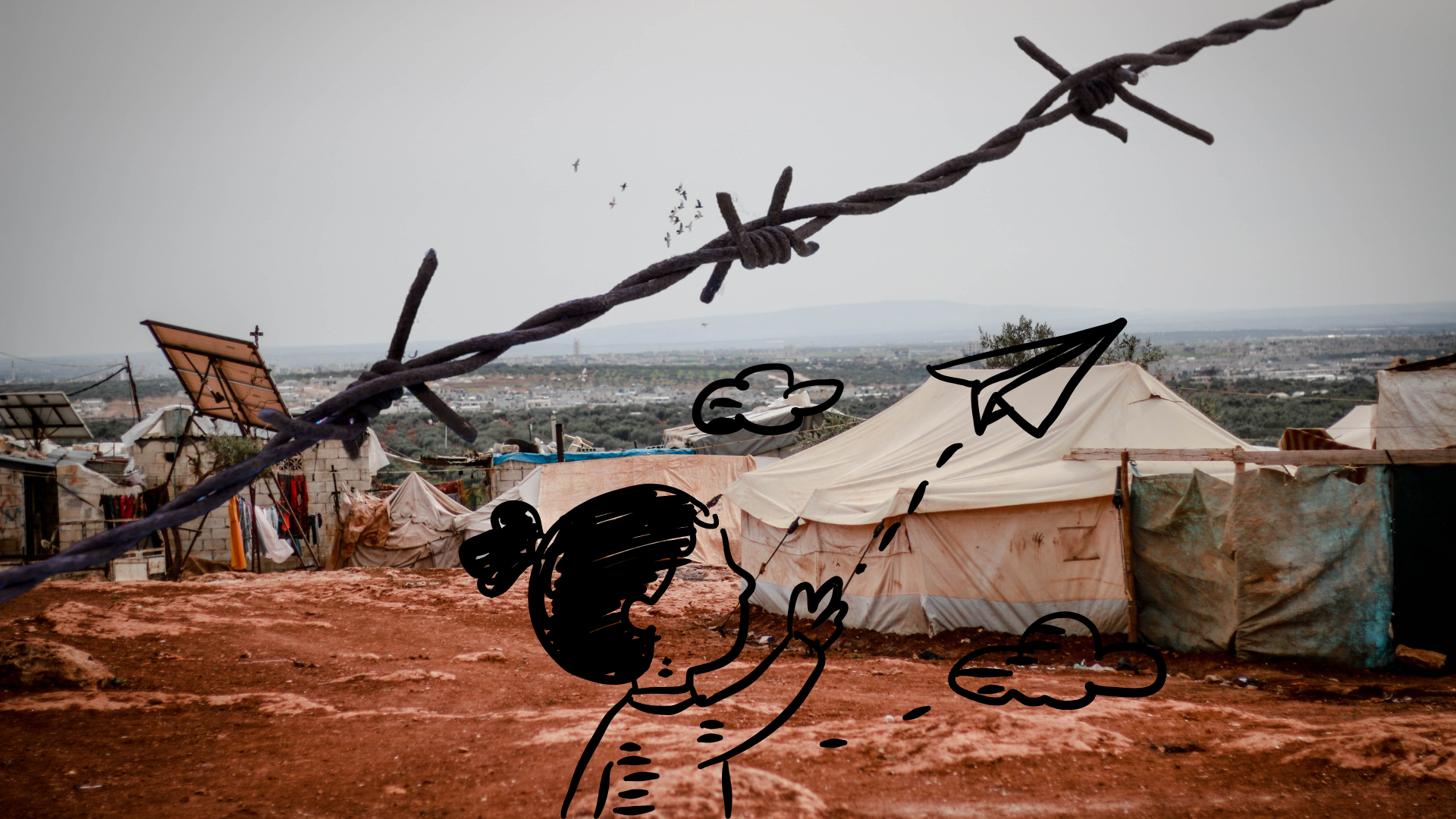
“People without a home” – that is a phrase that is often uttered around to describe refugees. In the last decade, we have seen waves of refugee crisis throughout the world from the escapees of the autocratic Bashar Al Assad regime of Syria during the Syrian Civil War to the victims of Rohingya Genocide. These people have often lost their homes to war and have no way to return to their land. Oftentimes, even if a war is not going on some groups of particular countries are deemed as non citizens such as the Rohingyas in Myanmar or people pushed to the Bangladesh border by Indian Security Forces.
According to UNHCR, more than 120 million people are currently refugees and have been victims of forced displacement. Oftentimes, they are forced to become residents of a new country, a new environment that might be a relief from their oppressed homeland but still nonetheless a place where they feel like strangers in an unfamiliar territory. These refugees become tools of campaign slogans of political forces within a country seeking to blame them for most of a country’s problems. Thus, being seen as aliens in a foreign land and in their home land they remain stuck in a paradox and ever lasting dream of coming back to their once lost home.
The refugee crisis that we can see in Bangladesh involves the Rohingya minority who have been displaced from their original residence in the Arakan province of Myanmar. The Myanmar government and other local factions who have frequently swapped territory in the brutal Myanmar Civil War have carried out a systematic genocide of Rohingya people forcing over a million people to come across the border to find refuge. Rohingyas coming over to refuge in Bangladesh isn’t anything new, it’s been happening since the 1970s ever since systematic discrimination against them had started. However, the 2000s saw them being repatriated. The conditions back home never improved though for them it just got worse in the coming decades leading to system wide persecution that led their ultimate fate to be refugees once again. While funding from USAID, World Bank and refugee related organizations helped them in the past- decreased funding under the recent Trump administration has resulted in shutting of schools in the refugee camps and other facilities. The camps are rifled with crime, increasing rates of child marriage and gender based violence now due to a lack of resources.
Naturally, the media would try their best to exaggerate the situation of what harm the refugees might do to Bangladesh in the long run. Bangladesh Protidin owned by the Bashundara Group and other newspapers in similar vein have been infamous for running articles against the Rohingya people constantly often in a way to attract interest from the general public. This has fermented further hatred in the public eye of these refugees and the lack of initiatives by the government to repatriate them have furthered it more. While many of them do end up settling in Cox’s Bazar for job opportunities, most of them do want to go home as evidenced by their public gatherings where their leaders constantly speak out about their right to return. Hasina, Yunus and the BNP government all face this diplomatic struggle now: “ How to repatriate these people?”
Bangladesh itself however is not a haven for its minorities and in fact is creating its own refugee crisis though through the systematic discrimination and arrests of Bawm people. Many Bawm community members have taken shelter in the neighbouring country of India where they are in a limbo and are now people without a home. Assam, a state of India which borders Bangladesh has been sending in both Muslim and Hindu Bengali citizens to the Bangladesh border labelling them as Bangladeshis. Oftentimes, they have ended up stranded here with India not showing signs to take them back.
Ultimately, the refugee crisis in the world is a result of governments not being held accountable for mistreating their citizens, diplomatic failures, imperialism and ideological fantasies. What gets stuck in the middle of these are the numerous people who no longer have a home and are not welcome in the new home that they might choose. The right of return remains a dream for many, most famously the Palestinian diaspora who were forcefully dislocated ever since the genocidal Nakba which displaced millions of Palestinians from their homes into neighbouring countries of Egypt, Jordan, Syria and Lebanon. Today, on World Refugee Day let us remember the real victims of the refugee crisis in the world: the refugees themselves; discourage populism and work towards actual solutions to the refugee crisis in the world.
Azwad Abdullah Ayan is an undergraduate student at BRAC University
