

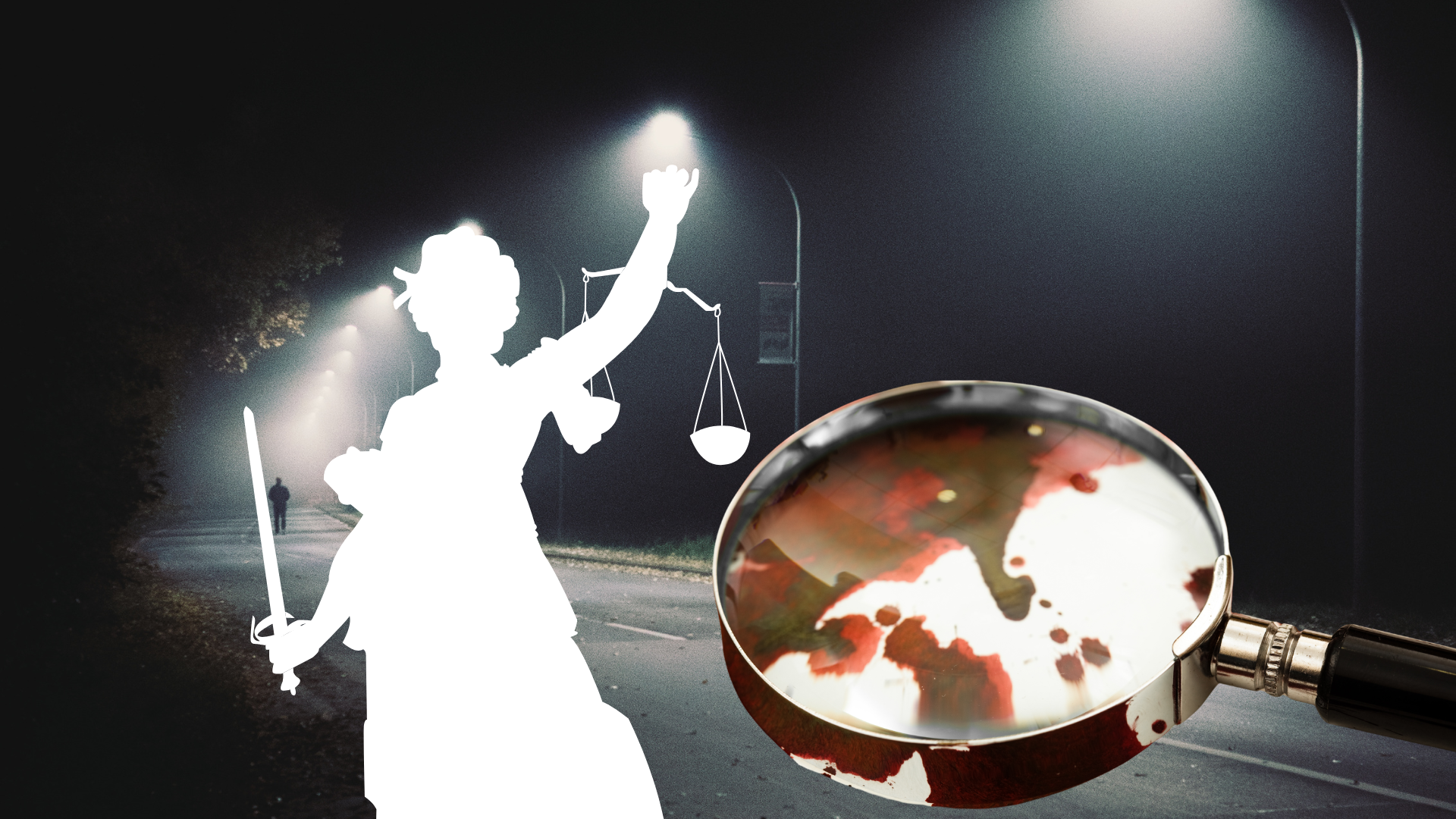
Our Bangladesh is bleeding. Data released by Ain o Salish Kendra (ASK) shows that rape cases involving a minimum of 118 girl children were reported in the country during the first four months of this year, 2026, with 17 of them losing their lives as a result of these offending acts. This is not a business arrangement that is typical; it is a crisis. In all, between January and May 2026, 118 children fell victim to rape, 14 of whom were killed after being raped, and three who were murdered after an attempt failed.
It is a much sadder story from 2025. In the first seven months of 2025, the number of child rape cases rose by almost 75% compared to the same period in 2024. But let’s keep in mind what has been overlooked because it simply wasn’t reported: 30 boys were raped between January and July 2025, more than 20 cases have never been taken to court, but that number was 234 during all of last year.
Truth To Power: Justice Delayed Is Justice Denied
Adjournment of a trial as provided for in the Women and Children Repression Prevention Act should take place within 180 days, but that is not the case in reality. As of March, 2025, there were 148,314 pending cases under this Act. Of the latter, 35262 cases have not been resolved after more than five years.
After 96 hearings, one 10-year-old girl has waited 9 years for justice in her rape case in Khilkhet, Dhaka. Many don’t even end up in court. There are just 101 tribunals currently in existence to address GBV (Gender Based Violence) cases and this isn’t enough given this backlog.
The Predator Next Door: Known & Unknown
The sad reality is 9 out of 10 child predators are known. Approximately 66.12% of all 124 murders of children and 59.09% of all 308 sexual abuse cases were household or family-related. Between January and April 2026, ASK had 11 cases of children killed as a result of rape.
Supreme Court advocate Ayesha Akhter, joining BLAST, explains: “Delays in investigation, family influence continues to impede justice. When there’s stigma, there’s silence, there’s an idea to “maintain family honor ‘— these become accessories to the perpetrators.
A Global Standard Emerges: The Model Rape Law
On the relation of the criminal law in the copper countries with international law, UN Special Rapporteur Dubravka Šimonović presented a Model Rape Law which encourages countries to adopt their laws in this field in line with international standards. This suggests compulsory minimum sentences, speeded-up trials, safeguarding of the victims, and forensic evidence requirements mutually agreed upon by Muslim-majority States and Western States.
The model takes cognizance of the fact that as punishment becomes unpredictable, criminals become bolder in our nation; in a way, it has been observed all along. Manusher Jonno founder & executive director Shaheen Anam advises: “If there is no accountability for punishing offences, there is more willingness to go ahead and do it boldly.
Why Does This Crisis Cries for Action?
The 148,314 pending cases indicate 148,314 families are living in limbo. If that’s an increase of 75% in child rape cases over seven months, it’s a generation at risk. 20 of 30 boy victims have had cases filed, and in half of the cases, their male victims’ voices have been silenced forever. We fail our children every day when 118 girls get sexually assaulted in the last four months.
Yet, we’re only hoping for justice! The shocking level of a 52% rise in rape and gang rape, reaching 786 cases, including 543 women under the age of 18 in 2025, has rallied them around the call to take a more serious approach to the law. In seven months, more than 129 girls were attacked with rape-hypnosis, but there is an increasing awareness.
Rape Victim’s Right: One Law, One Stand, One Response
What does a new strict legislation based on four principles look like?
Firstly, involving the imposition of the minimum sentences for rape, was in accordance with several Muslim-majority countries, and also encouraged by the international human rights instruments, which include mandatory sentences for the rape of girls and prison terms for rape which must not be below the duration of 20 years, or a life sentence, for rape resulting in the death of a child regardless of gender.
Secondly, 90-day investigation deadlines and 180-day trial deadlines with criminal penalties if investigations or trials are excessively delayed by an investigator or prosecutor.
Thirdly, state-assigned testing in all sexual assault cases within 72 hours, and include accredited testing laboratories at every division.
Finally, comprehensive victim-witness protection for victims of crime, including anonymity, psychiatric assistance, and legal action against compensation funds.
The draft of this law should include the contributions of Islamic legal scholars, international human rights experts, and survivors. It should be in accordance with the international standards of academic programs or practices and Islamic rules and laws that provide protection to the vulnerables.
Breaking the Silence: Voices That Must Be Heard
Families have to talk to schools and madrasas, and, says Shaheen Anam, “an open discussion needs to take place in the society where prominent people put in a word. “Personal boundaries and respect for others can be taught to children from the comfort of their homes, which helps to significantly lessen children’s vulnerability to abuse,” adds Roksana Sultana of Breaking the Silence.
The 49 girls sexually harassed by stalkers and 22 girls sexually harassed by teachers stated in their public interviews that abuse starts before rape; it starts where silence starts.
One Crime Should Have One Response, Not Hundreds
Rape is one crime. To restore justice, there should be one standard. When 55 children are denied justice because cases were not filed, there is one answer to one crime: the 118 girls who were raped this year, the 17 who were murdered, the 30 boys of whom no names were recorded, the nine-year-old who continues to wait after 96 hearings. This response needs to be quick, clear, and punitive.
their justice because cases were not filed, when 35,262 families wait more than 5 years, we are not breaking the law; we are breaking humanity!
Our country can lead; the global community is ready. Our neighboring countries including the Muslim brother nations are keeping an eye on us. There is a need for a “Model” for the Rape Law.
Samiha Mamun is a Graduate student of the Army Institute of Business Administration (Army IBA), affiliated with the Bangladesh University of Professionals in Savar, Dhaka. samihamamunmeem@gmail.com
