

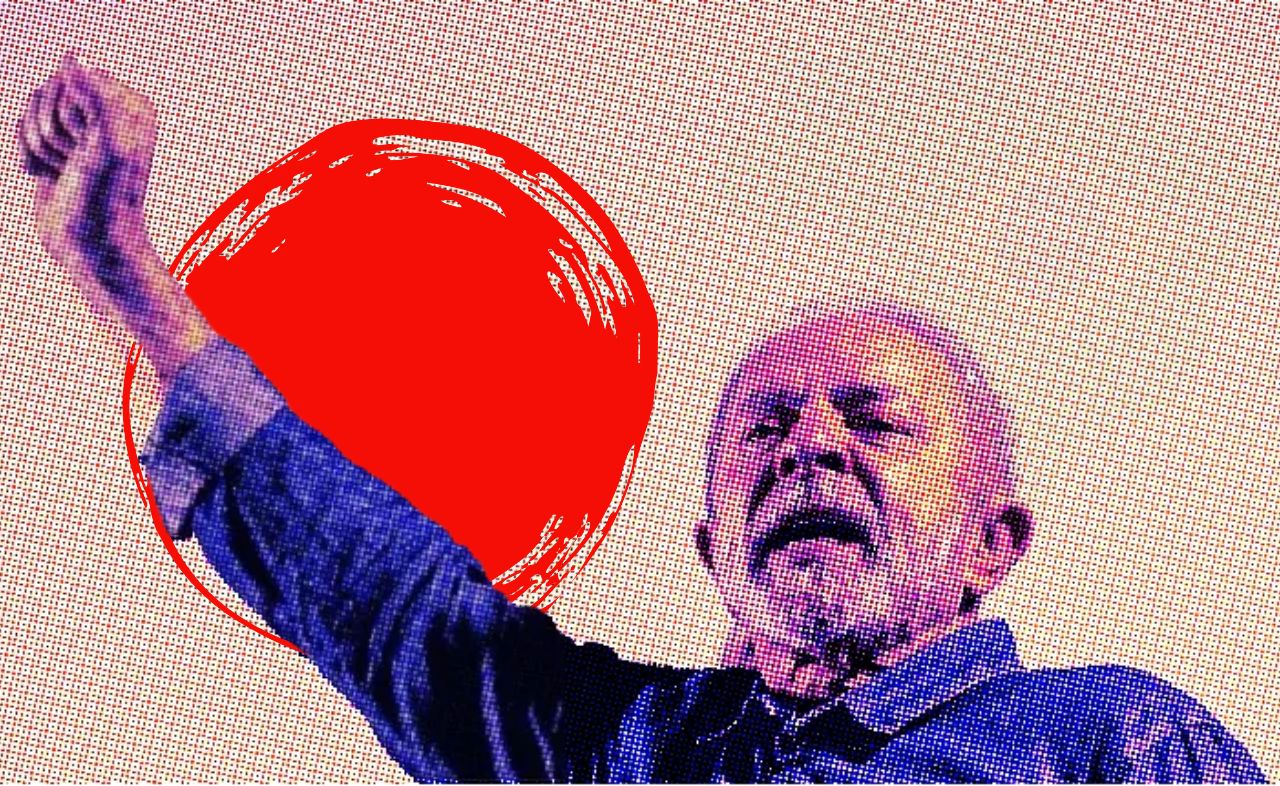
Luiz Inacio Lula da Silva won Brazil’s presidential election with a dramatic comeback. Lula has secured another opportunity to save the Amazon forest and challenge the rise of right wing politics by defeating Flavio Bolsonaro, the son of Jair Bolsonaro. Lula’s victory matters well beyond Brazil. The Amazon is crucial to the global climate, while Brazil’s political direction resonates across the Global South. Lula’s victory is also important for Donald Trump, who has helped to make right wing movements stronger around the world. We need to understand Lula’s win to see what it could mean for the Amazon and the future of global right, as well as the difficulties he may face.
The Amazon’s second chance
Protecting the Amazon is not only an environmental promise for Lula da Silva but also a test of whether political will can beat powerful economic interests. His government has made tangible progress till now. According to Brazil’s National Institute for Space Research (INPE), deforestation in the Brazilian Amazon fell to 3,335 square kilometres between August 2025 and July 2026, a decrease of 41.8 percent from the previous year and the lowest annual rate since records began in 1988. This shows a significant shift from the years when environmental enforcement was compromised under former president Jair Bolsonaro. Yet the fight is far from won because millions of hectares remain at risk of illegal logging, land grabbing, agricultural expansion and fires.
The decline shows a shift in government priorities. After returning to office in 2023, Lula restarted Brazil’s Action Plan for the Prevention and Control of Deforestation in the Legal Amazon, known as PPCDAm. Indigenous lands are key to stopping deforestation. Indigenous peoples are not just victims of deforestation; they are its frontline defenders. Respecting their land rights and stopping illegal land grabs would help to reduce forest loss. This plan’s strategy consists of satellite monitoring, environmental inspections, penalties for illegal clearing and the protection of vulnerable areas. By reviving the role of environmental agencies and strengthening enforcement, Lula’s government has made illegal deforestation more difficult and costly. The results prove that the state has the capacity to make a substantial difference.
Funding is another part of this strategy. Lula brought back the Amazon Fund, the system he had created during his second term in 2008 to channel international support into protecting the forest and the people who depend on it. This fund receives international donations to finance projects that decrease deforestation, improve environmental monitoring and preserve biodiversity. In 2025, the fund approved a record 22 operations worth 2.2 billion reais, a record in both number and value, backing the communities protecting the forest.
Lula has also promised Brazil’s people that deforestation will end by 2030. His government launched a programme called Union with Municipalities to fight deforestation and forest fires in 70 key towns across the Amazon. In 2022, these towns were responsible for about 78 percent of all deforestation in the Brazilian Amazon. The programme works with local authorities, tracks environmental damage, helps sort out land ownership and supports businesses that don’t harm the forest. This is crucial for the world as the Amazon stores huge amounts of carbon, preserves an extraordinary range of biodiversity and helps regulate rainfall across South America. As global warming increases, continued deforestation could release stored carbon and weaken the forest’s ability to absorb emission. It could also disrupt regional rainfall patterns, threatening agriculture, water supplies and the livelihoods of millions.
A setback for the global right
Lula’s win ends a right wing streak of seven straight conservative presidential victories across Latin America in the past 18 months. The result is important not because a left wing candidate won, but because Brazil’s political direction holds the power to shape Latin America’s future. Argentina is a good example. Under President Milei, the country has become a close ally of Washington, aligning itself with Trump’s economic and foreign policy. This relationship has raised questions about Argentina’s capacity to maintain an independent position in international affairs. Brazil matters in this context because it is the largest economy of Latin America. So it carries significant importance in regional trade, diplomacy and political cooperation. Lula’s victory probably ensures that his government would negotiate with Washington without automatically following its lead.
This victory is not just a regional story. At a time when right wing movements are at their peak, Lula’s return to office shows that this political momentum is not necessarily irreversible. From Europe to the Americas, conservative and far right parties have gained ground by exploiting public frustration over immigration, economic insecurity, and nationalism. Brazil’s election offers a separate possibility. Crucially, the appeal of the right is rooted not just in political ideology, but in deep-seated concerns over violent crime, the rising cost of living, and widespread distrust of established parties, which have helped conservative powers portray themselves as alternatives. This election challenges the idea that right wing power is currently inevitable. For progressive parties all over the world, this result could offer hope and let them reconsider their electoral prospects.
The limits of Lula’s victory
Lula’s victory is hopeful but it does not mean that Brazil has overcome its political divisions. He won by a narrow margin, which means almost half of the voters in Brazil still support the political agenda promoted by Flavio. Despite losing the election, he stands as a powerful force in Brazilian politics.
Lula will also face difficulties in Congress, where conservative politicians hold major influence and could stop parts of his agenda. Also a weak economy could limit his ability to fund social programmes and environmental protection.Another concern is that despite his efforts to curb deforestation, his government has allowed Petrobras to start exploratory drilling in the Foz do Amazonas, about 500 kilometres from where the Amazon River meets the sea. The drilling is meant to find out whether there is enough oil and gas to make production worthwhile. Environmentalists warn that searching for more fossil fuels could undermine Brazil’s climate promises. This raises questions whether his government will prioritize economic growth over climate commitments. The harder task begins now. He must protect the progress already made, but also address the concerns of voters and make his promises true.
