

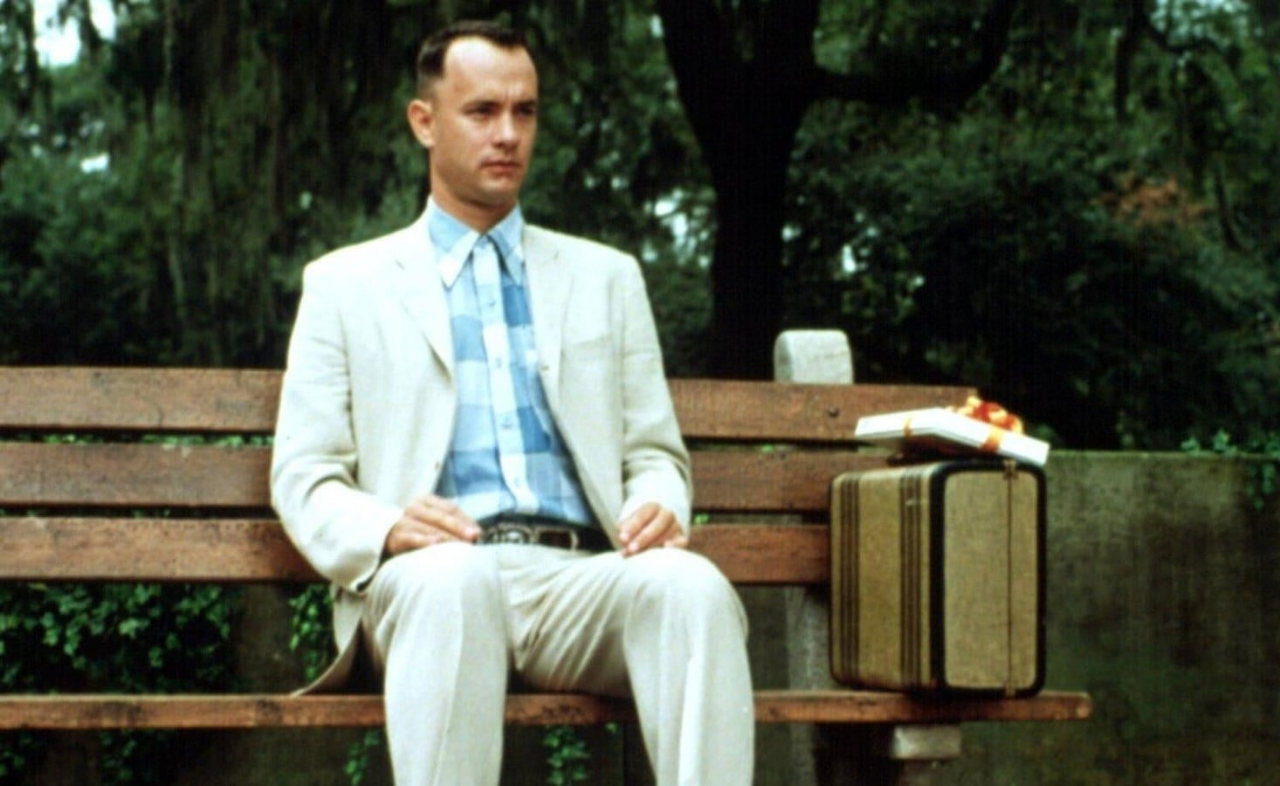
In Forrest Gump, the audience is introduced to a man who has been underestimated by society as he sits at a bus stop and starts telling strangers about his life. Others believe he won’t accomplish much because of his low IQ, childhood physical impairment, and peculiar worldview. However, over the course of the movie, Forrest develops into a college football player, a soldier, a successful businessman, and a loving father.
Robert Zemeckis’ 1994 film Forrest Gump first seemed to be about a remarkable person overcoming personal challenges. Beyond its emotional appeal, though, the movie poses a far more profound query: Who determines an individual’s potential?
Hollywood and American culture are not the only places where this debate arises. It is similarly applicable to Bangladesh, where a large number of people with disabilities still face obstacles brought about by societal attitudes, prejudices, and a lack of opportunity in addition to physical issues. The true problem is frequently not disability per se, but rather how society views and handles disability.
Disability: Not Just a Physical Condition
For many years, the medical model—as academics refer to it—was the primary framework for understanding disability. This viewpoint holds that a person has a disability because they have a physical, sensory, intellectual, or mental impairment that requires rehabilitation, therapy, or correction.
Disability studies, however, offered an alternative perspective. According to the social model of disability, people are frequently impaired not just because of their conditions but also because society erects obstacles that keep them from fully participating in society.
The question is altered by this viewpoint. Society needs to consider, “What barriers have we created that prevent this person from participating equally?” rather than, “What is wrong with the person?”
For instance, a wheelchair user may not be constrained by the device itself. Buildings without ramps, inaccessible transit systems, or employers who don’t provide appropriate concessions could be the sources of the restriction.
In Bangladesh, this concept is especially crucial. The Rights and Protection of Persons with Disabilities Act, 2013, represents a legislative milestone by recognising their rights and seeking to guarantee their participation in society. However, social attitudes cannot be changed by legal acknowledgement alone. True inclusion requires structural changes in public spaces, employment, education, and daily interactions.
The Influence of Social Labels and Forrest Gump
Forrest has been characterised by labels since he was a young child. His physical disability is interpreted as a sign of weakness, and his IQ is used to gauge his intelligence. People assess him based on conventional standards before understanding his character, compassion, and skills.
This illustrates a larger reality: communities frequently utilise metrics and classifications to determine what is “normal.” People are sometimes categorised based on social conduct, academic achievement, physical prowess, and intelligence testing.
According to disability scholar Lennard J. Davis, the idea of “normalcy” is a social construct developed via historical systems of measurement and comparison rather than merely a natural fact. The issue arises when these criteria are the exclusive means of determining a person’s value.
Forrest questions this way of thinking. Qualities that others initially view as weaknesses, such as his honesty, loyalty, simplicity, and emotional sensitivity, become his greatest assets. The movie serves as a reminder to viewers that numbers and traditional IQ tests are not necessarily reliable indicators of human ability.
Bangladesh is strongly connected to this message. Instead of being helped to find what they can accomplish, many children with disabilities are still evaluated based on presumptions about what they cannot do. Instead of receiving an inclusive education, a child who learns differently can be deemed incapable. Instead of being seen as a viable member of society, a young person with a disability could be perceived as dependent.
The “Exceptional Disabled Person” Issue
Forrest Gump dispels unfavourable prejudices, but it also presents a more nuanced picture of disability. Forrest becomes special, which contributes to his acceptance by society. As a person with a disability, he is not merely allowed to lead an average life; rather, he becomes exceptional. He goes on to become a great businessman, a sports star, and a military hero.
This gives rise to what disability academics refer to as the “inspiration narrative,” which holds that disabled persons are desirable when they overcome their impairment and accomplish something noteworthy. These kinds of stories can be uplifting, but they can also lead to inflated expectations. To be respected, a person with a disability shouldn’t need to become a celebrity, athlete, hero, or exceptional achiever.
In a society that genuinely values equality, people with disabilities are not just honoured when they overcome challenges; such a society guarantees that those barriers are first lessened.
In Bangladesh, this matter is quite pertinent. People with impairments are sometimes only acknowledged by the public when they accomplish something remarkable. Instead of being acknowledged as instances of skill, commitment, and equal participation, their accomplishments are hailed as “miracles.”
Creating a society in which each person with a disability must demonstrate their abilities shouldn’t be the aim. The objective should be to establish a society in which aptitude is acknowledged without the need for evidence.
A Rights-based Approach
In the past, people with disabilities have frequently been seen with compassion and generosity. Charity by itself does not ensure equality, even though compassion is important.
According to a rights-based perspective, people with disabilities are unique people with choices, dignity, and the ability to fully engage in society. Equal opportunity, independence, and accessibility are the main goals of this strategy.
Recognising disability as a rights issue is reflected in Bangladesh’s legal framework, but fulfilling these rights requires collective accountability. Schools and universities need inclusive environments and accessible facilities, employers must offer fair opportunities, and public infrastructure must accommodate a variety of capacities. Above all, society must alter its language and attitudes. “Disability” and “incapacity” should not be treated as synonymous.
A person’s identity is made up of more than only their impairment. They have goals, skills, feelings, relationships, and dreams just like everyone else.
How Cinema Can Shape Social Perceptions
Movies have an impact on how societies see various social groupings in addition to providing entertainment. When disabled characters are portrayed solely as victims, society may become sympathetic rather than respectful. When they are portrayed solely as heroes, society may develop irrational expectations.
The most meaningful portrayal depicts disabled persons as whole human beings with flaws, strengths, everyday experiences, and individual preferences. For this reason, Forrest Gump continues to be a significant cultural topic. Although it doesn’t give all the answers, the movie challenges viewers’ preconceptions.
It questions whether intelligence is defined solely by academic aptitude, whether success is measured only by social accomplishments, and, above all, why society defines “normal” in such a limited way.
Rethinking Normalcy
The key takeaway from Forrest Gump is not that individuals with disabilities may achieve exceptional success. The more profound lesson is that society should cease presuming that diversity equates to weakness.
Like many countries, Bangladesh has made strides in acknowledging the rights of people with disabilities, but inclusion calls for more than just laws. It necessitates a societal shift from viewing disability as a personal tragedy to recognising it as a component of human variety. The true question isn’t whether someone with a disability can become “normal.” The real question is why society insists on a single definition of normal.
People are not all the same. We have distinct ways of thinking, learning, communicating, and perceiving the environment. Everyone cannot become the same in a society that is truly inclusive. It is one in which everyone can live with dignity despite their differences.
Because it refutes one of society’s most ingrained presumptions—that a person’s worth can be inferred from their label—Forrest Gump’s story has endured. Perhaps the ultimate lesson is straightforward: we should acknowledge people for who they are before speculating about what they might become.
