

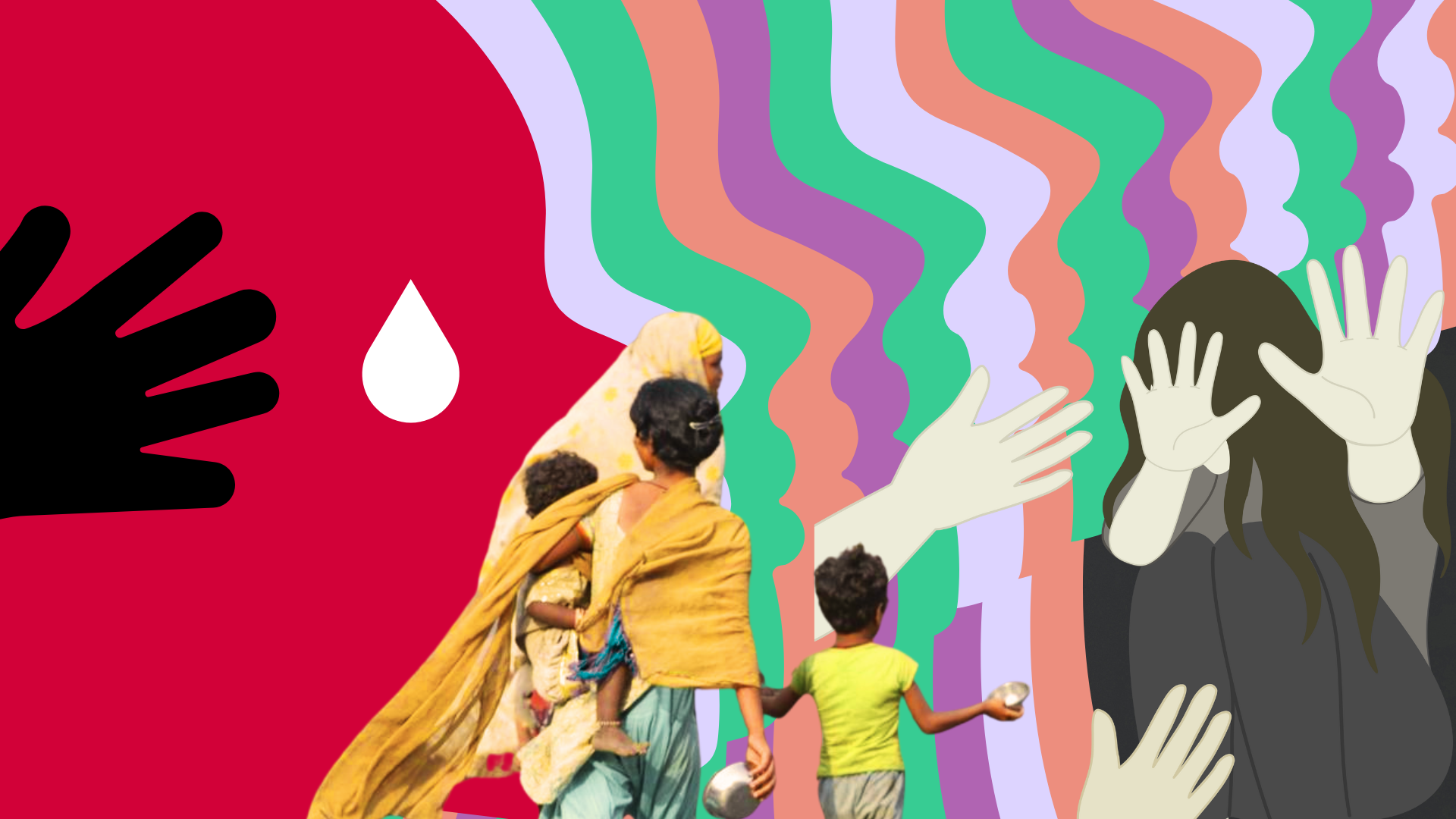
In Bangladesh, gender-based violence (GBV) remains a challenge for all girls, but for girl children living on the streets, the danger multiplies. Despite laws and constitutional protections, many of these children slip through the cracks of justice and support systems.
Every year, thousands of children drift into street life due to poverty, family breakdown, migration, or abandonment. According to a 2024 report by UNICEF Bangladesh, more than 3.4 million children are living in “street situations” without stable parental care, shelter, or protection. Among these street children, girls are especially vulnerable to sexual abuse, harassment, exploitation, and even trafficking. A recent survey highlighted that a large proportion of street children endure violence during the night when they are most vulnerable. Many endure sexual harassment by passersby, some are exploited by adults including drivers, rickshaw pullers, or even law-enforcement personnel. Disturbingly, many of these abuses go unreported, either because the children do not recognize them as crimes or because they lack access to support systems.
Bangladesh has several legal instruments meant to safeguard children from abuse and exploitation; for example, The Children Act 2013 provides for punishment of “cruelty” against children with up to five years’ imprisonment, a fine, or both. The Prevention of Oppression Against Women and Children Act (2000) penalizes sexual oppression of children, prescribing imprisonment (not less than two years, up to ten years) and fine. Additionally, under the criminal law (e.g., Penal Code 1860), abandonment of a child under 12 by their guardians is an offence punishable by up to seven years of imprisonment or fine or both. The Constitution of Bangladesh prohibits torture, cruelty or degrading treatment under Article 35.
On paper, these laws form a solid shield for vulnerable children. However, in practice, there is a stark disconnect between legal provisions and actual enforcement. Many street children, especially the girls, remain unaware of their rights; even when they know, they often lack a stable guardian to act on their behalf. Many girls normalize the abuse, believing it to be an unavoidable part of surviving on the streets. Despite the legal framework, several critical gaps prevent effective protection which trapped the girls in a cycle of risk and exploitation. Additionally, as they grow up, they may carry the trauma of early abuse, which increases their risk of further exploitation, mental health issues or suicide tendencies.
To improve protection and justice for street girl children, Bangladesh must strengthen both institutional response and social support.
For example, the establishment of a dedicated child affairs authority or department is necessary, as child-rights organisations note, currently multiple ministries are involved in this issue (social welfare; women and children; labour), but lack coherent coordination.
We need to create awareness among street children as they often don’t know about protective laws, helplines or support services. Government and NGOs must conduct outreach to make them aware of their rights and available services. The state must ensure legal aid and advocacy for victims in order to enable them to pursue justice. The concerned authority should arrange special training for law enforcement agencies to handle GBV cases involving children sensitively.
As Bangladesh observes the 16 Days of Activism Against Gender-Based Violence, it is vital to remember that activism cannot remain confined to seminars, slogans or symbolic gestures. It must extend into the streets where the most vulnerable girls sleep, work, and struggle to survive.
Aparajita Debnath, Advocate, Dhaka Judge Court.
