

The Iran crisis has made it clear that Bangladesh is under energy risk, and as per the report of the Daily Guardian, Bangladesh will be the first country to be affected. The question is: why, even after 55 years, has Bangladesh not achieved success in the energy sector, whereas its contemporaries have? Bangladesh still has a long way to go to turn the challenges into opportunities.
Bangladesh’s confined land resources are a real barrier for utility-scale renewable power sectors, and the country should subsidise rooftop solar to reduce pressure on this. Bangladesh is one of the most densely populated countries on Earth, with about 170 million people. There simply aren’t enough pieces of land to build large-scale solar installations the way countries like Pakistan or India can. But land scarcity is only the tip of the iceberg of this crisis.
An Overburdened Fossil Fuel Lock-In
Bangladesh produces nearly 98% of its electricity from fossil fuels, while renewable energy contributes only around a non-significant percentage of 2–3% of total power generation. That’s an indication of a heavy level of dependence. Despite being affected by climate change, Bangladesh is more dependent on Fossil energy sources, which contribute about 82% of electricity production, mostly interrelated with gas and coal, with gas being the dominant source at roughly 45%, followed by the coal-based power sector at over 26%. That’s an indication of a heavy level of dependence. Despite being affected by climate change, Bangladesh is more dependent on Fossil energy sources, which contribute about 82% of electricity production, mostly interrelated with gas and coal, with gas being the dominant source at roughly 45%, followed by the coal-based power sector at over 26%.
The core of the problem: Bangladesh’s expenses are interrelated, with around 59% of its trade gap on fossil fuel dependency, exposing the fragile energy economy to global price increases.
Despite renewables being on the agenda since 2008, progress has been insignificant. Bangladesh’s renewable energy capacity stood at an inadequate 1,690 MW in December 2025, emphasizing the insignificant advancement since its first renewable energy policy in December 2008.
A key reason: The cancellation of previously accepted letters of intent for solar projects, citing a lack of competitive markets, has negatively influenced the renewable energy sector, limiting the extension of new projects in the last one and a half years. Besides, heavily taxed import duties deter industries and other entities from investing in profitable rooftop solar systems.
This is almost the opposite picture of what Pakistan did. Bangladesh taxed solar imports heavily while Pakistan removed them. Bangladesh does have a gap in terms of securing the USD 70 billion in investment it requires by 2035 to make the renewable energy changes happen at a pace.
Why Pakistan, and what can be the way forward for Bangladesh to learn
Pakistan’s story is remarkable because it wasn’t even government-funded. There is no policy drive that is pushing this; this is essentially people-led and market-driven, as CNN analysts focus on it.
Solar adoption in Pakistan resulted from a perfect blend of supply and demand. On the demand side, an uncontrolled rise in electricity tariffs of up 155% in just three years made grid power unavailable for many people and businesses. On the supply side, global solar panel prices fell by nearly 50% due to Chinese manufacturing overproduction, while Pakistan has subsidised solar PV imports from taxes and sales tariffs until mid-2025. Unlike other countries that imposed taxes on Chinese solar imports, Pakistan took the polar opposite approach, maintaining a zero-rated tax value on solar PV imports from 2013 until mid-2025. As a result, the country went from under 1 GW of solar PV imports in 2018 to over 51 GW by early 2026, indicating one of the fastest consumer-led energy transitions on record. The payoff has been enormous: since 2020, Pakistan has successfully saved over US$12 billion in oil and gas imports due to its community-led solar revolution.
Bangladesh’s Current Emergency Energy Policies
All government and private offices will now start from 9 am to 4 pm, reducing working loads by one hour. Banks will provide customer services from 9 am to 3 pm, with internal operations continuing until 4 pm. All markets, shops, and shopping malls must close after 6 pm. Essential services, including kitchen markets, pharmacies, and food outlets, remain exempt. The government has ensured a 30% reduction in expenditure in the fuel, power, and gas sectors. For the next three months, no new government vehicles will be procured. Purchase of computer equipment has also been halted. 50% of outbound travel and domestic training for government officials has been temporarily halted, while hospitality expenses for meetings and seminars have been minimised by half. Decorative lighting at private events, including weddings and social functions, will not be allowed during the ongoing energy crisis. The government is searching for other fuel sources as global supply chains face war effects, with measures being considered to import oil from countries including Malaysia, Indonesia, and Kazakhstan to reduce reliance on uncertain supply sources.
The Bigger Picture
The crisis is immeasurable. Rising fuel prices are expected to increase Bangladesh’s annual energy import costs by $4.8 billion, or around 1.1% of GDP, which could create the current account deficit. Economists warn that any disruption in the Gulf region could also disrupt remittance sources, which stand for roughly half of Bangladesh’s entire remittances and serve as a key stabiliser of the balance of trade. The new BNP government, which was elected in February 2026 after winning the election, settled for a 180-day plan with three priorities on its first day, including restoring the regular power and energy supplies, but it inherited a power sector with BDT 400 billion in outstanding bills and is now being hit by an external shock it had little time to prepare for.
Any Good News for Bangladesh?
Land inadequacy doesn’t make Bangladesh’s case invalid; it just means the policy must be adopted in a different way from Pakistan’s. The arguments suggest that Bangladesh and similar economies are not confined to the methodical fossil fuel pathway. Instead, they have a different opportunity to move on directly from energy insufficiency to energy abundance, using rapidly lowering-cost technologies.
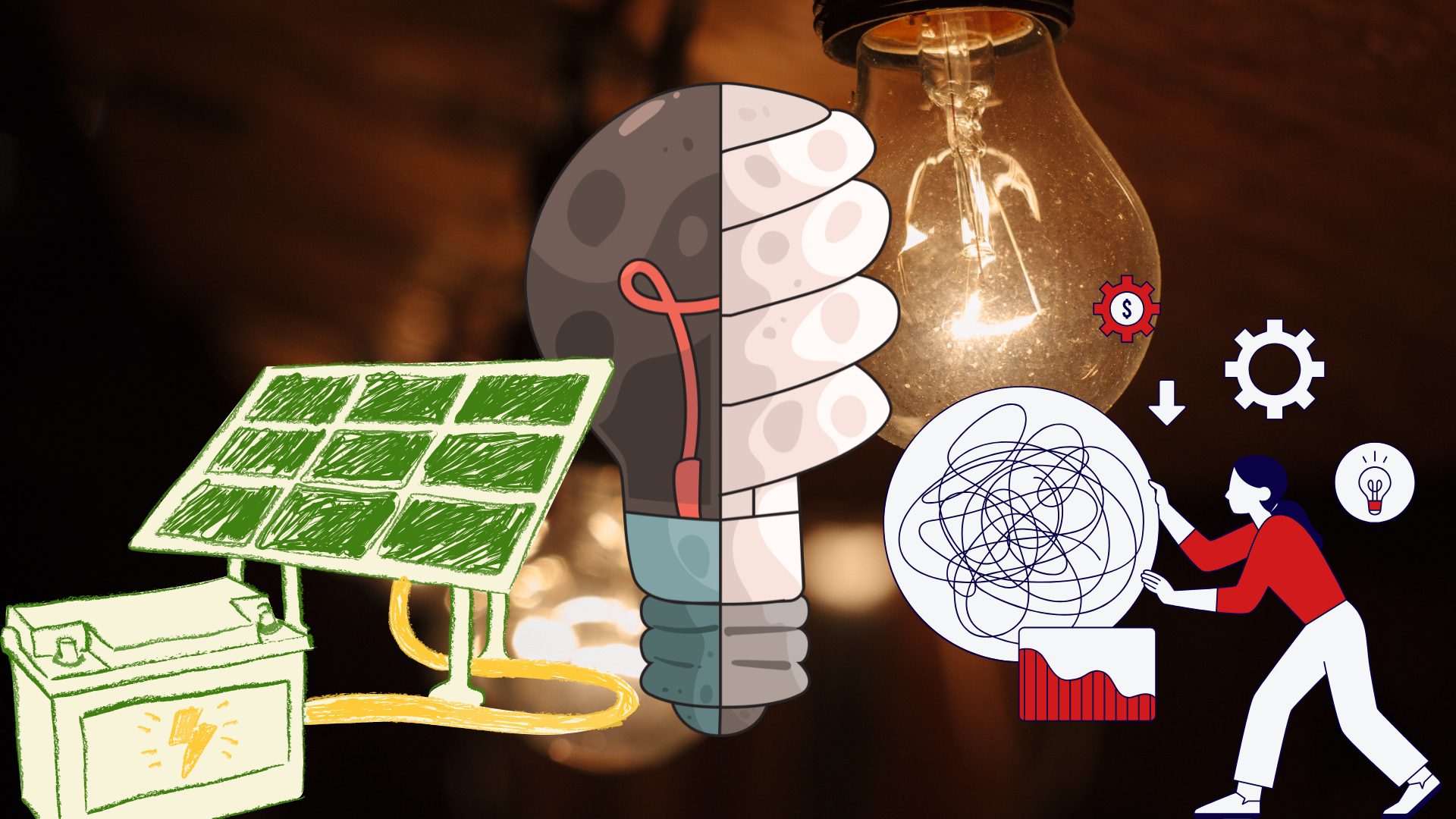
The actual roadmap for Bangladesh is rooftop solar with battery storage rather than large solar industries installing solar panels on factory roofs, and homes doing the same. Cost-reduced renewable energy can help Bangladesh reduce its costly fossil fuel import bills. The country could currently reduce expensive oil-based peak grid generation, both during the day and night, by replacing solar energy with battery storage. But to do that, Bangladesh needs to subsidise the import duties on solar panels, the single biggest policy change it could make right now to replace even a small step of what Pakistan achieved. The question is whether Bangladesh will be able to revive its renewable resources?
Natasha Israt Kabir is a development professional with extensive experience in humanitarian response, gender advocacy, and disability rights. With over two decades of service beginning in 2003, she brings an interdisciplinary perspective to international development, combining grassroots community engagement.
